
Sustainable Practices Revolutionizing Poultry Farming

Poultry farming is a vital part of global food production, providing protein to millions of people worldwide. However, traditional poultry farming methods often come with environmental and ethical challenges. Today, a shift towards eco-friendly poultry methods is transforming the industry. These sustainable practices not only protect the environment but also improve animal welfare and farm profitability. This article explores the innovative approaches revolutionizing poultry farming and how they contribute to a greener future.
Embracing Eco-Friendly Poultry Methods for a Greener Future
Eco-friendly poultry methods focus on reducing the environmental footprint of poultry farms while maintaining productivity. These methods include better waste management, energy efficiency, and natural resource conservation. For example, many farms now use renewable energy sources such as solar panels to power their operations. This reduces reliance on fossil fuels and lowers greenhouse gas emissions.
Another key practice is improving feed efficiency. By optimizing feed composition and using locally sourced ingredients, farmers can reduce waste and the carbon footprint associated with feed production. Additionally, integrating poultry with crop farming allows for natural fertilization, reducing the need for chemical fertilizers.
Water conservation is also critical. Innovative watering systems minimize water use and prevent contamination. For instance, nipple drinkers provide clean water directly to birds, reducing spillage and waste.
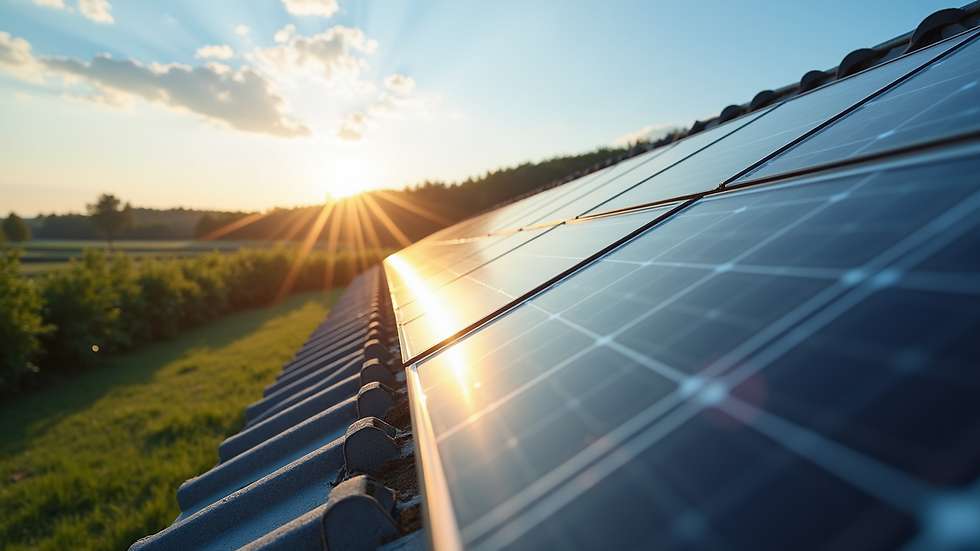
Solar panels powering a poultry farm
Innovative Housing and Welfare Practices in Poultry Farming
Animal welfare is a cornerstone of sustainable poultry farming. Eco-friendly poultry methods prioritize the health and comfort of birds, which leads to better growth and productivity. One popular approach is free-range or pasture-raised systems, where birds have access to outdoor spaces. This allows natural behaviors like foraging and dust bathing, improving their quality of life.
Modern poultry houses are designed to enhance ventilation and natural lighting, reducing stress and disease risk. Using materials that regulate temperature helps maintain a comfortable environment year-round. Additionally, providing enrichment items such as perches and pecking objects keeps birds active and reduces harmful behaviors.
Biosecurity measures are also essential. Preventing disease outbreaks through strict hygiene protocols and controlled access protects both the flock and the environment. These practices reduce the need for antibiotics, which is beneficial for public health.

Free-range chickens enjoying natural outdoor environment
What are the 3 P's of sustainable agriculture?
Sustainable agriculture is often guided by the 3 P's: People, Planet, and Profit. These principles ensure that farming practices are socially responsible, environmentally sound, and economically viable.
People: This aspect focuses on the well-being of farm workers, communities, and consumers. Fair labor practices, safe working conditions, and access to nutritious food are priorities. In poultry farming, this means humane treatment of animals and supporting local economies.
Planet: Environmental stewardship is crucial. Sustainable poultry farming minimizes pollution, conserves water, and protects biodiversity. Practices like recycling poultry waste as fertilizer and reducing energy consumption help preserve natural resources.
Profit: Economic sustainability ensures that farms remain financially viable. Efficient resource use, reduced input costs, and access to premium markets for eco-friendly products contribute to profitability. Sustainable farms can thrive long-term without depleting resources.
Balancing these three elements creates a resilient agricultural system that benefits everyone involved.
Practical Steps to Implement Sustainable Poultry Farming
Transitioning to sustainable poultry farming can seem daunting, but practical steps make it achievable. Here are some actionable recommendations:
Assess Current Practices: Conduct a thorough review of your farm’s energy use, waste management, and animal welfare standards. Identify areas for improvement.
Invest in Renewable Energy: Install solar panels or wind turbines to reduce energy costs and emissions.
Optimize Feed and Water Use: Work with nutritionists to formulate efficient feed. Use water-saving devices like nipple drinkers.
Enhance Housing Conditions: Upgrade ventilation, lighting, and space to improve bird comfort and health.
Adopt Integrated Farming: Combine poultry with crop production to recycle nutrients and reduce chemical inputs.
Implement Biosecurity Protocols: Train staff on hygiene and disease prevention to minimize antibiotic use.
Monitor and Record Data: Keep detailed records of production, health, and environmental impact to track progress and make informed decisions.
By following these steps, poultry farmers can reduce their environmental impact while maintaining or increasing productivity.
The Future of Poultry Farming: Sustainable and Profitable
The future of poultry farming lies in adopting sustainable practices that benefit the environment, animals, and farmers alike. Consumers are increasingly demanding ethically produced and eco-friendly products, creating new market opportunities. Farms that embrace innovation and sustainability will be better positioned to meet these demands.
Technological advancements such as precision farming, automated monitoring systems, and genetic improvements are making sustainable poultry farming more efficient and accessible. Collaboration between researchers, farmers, and policymakers is essential to support this transition.
For those interested in learning more about sustainable poultry farming, resources like Feathery Care offer valuable insights and guidance.
By integrating these eco-friendly poultry methods, the industry can reduce its environmental footprint, improve animal welfare, and ensure long-term profitability.
Sustainable poultry farming is not just a trend but a necessary evolution for the health of our planet and future generations. Embracing these practices today will pave the way for a more responsible and resilient poultry industry tomorrow.


Comments